
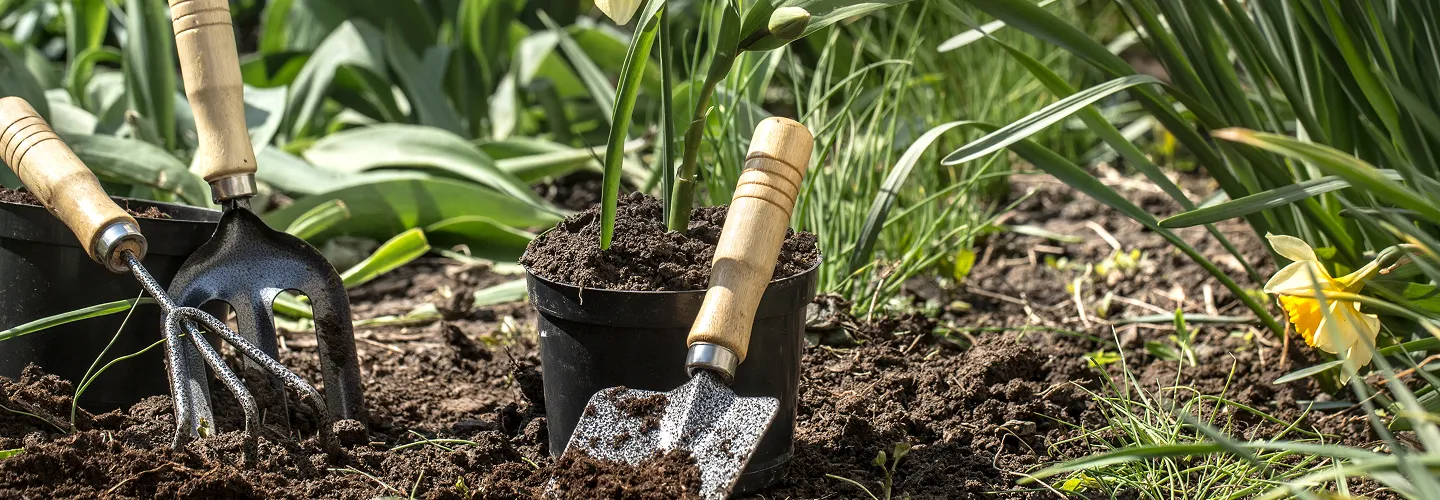
Berlin Plant Removal Services
Choose our plant removal experts in Berlin for safe, thorough, and environmentally responsible solutions—restoring your outdoor space with minimal disruption and maximum care.
Get a Free QuoteOur Berlin Landscaping & Yard Care Services
When to Schedule Plant Removal in Berlin, Connecticut – Seasonal Guide
In Berlin, Connecticut, timing your plant removal is crucial for both the health of your landscape and compliance with local guidelines. The optimal periods are typically late fall after the first frost or early spring before new growth begins. Berlin’s climate, characterized by cold winters and humid summers, means that soil conditions and plant dormancy play a significant role in determining the best removal window. For example, neighborhoods near Sage Park or along the Mattabesset River may experience higher soil moisture, impacting accessibility and equipment use.
Local environmental factors such as frost dates, drought risk during midsummer, and the prevalence of shade in areas like Kensington or Worthington Ridge should all be considered. Soil type varies across Berlin, with some regions having rocky or clay-heavy ground, which can affect root removal. Additionally, municipal restrictions and seasonal precipitation patterns may influence when services can be performed. For more information on local regulations, visit the Town of Sudbury’s official site.
Local Factors to Consider for Plant Removal in Berlin
- Tree and shrub density in your yard
- Terrain slope and accessibility
- Seasonal precipitation and soil saturation
- Frost dates and plant dormancy periods
- Shade coverage from mature trees
- Local municipal restrictions or permit requirements
- Proximity to landmarks like Sage Park or the Mattabesset River
Benefits of Plant Removal in Berlin

Efficient Plant Removal Services
Experienced Landscaping Professionals
Eco-Friendly Disposal Methods
Customized Solutions for Every Garden
Quick Response Times
Comprehensive Site Cleanup
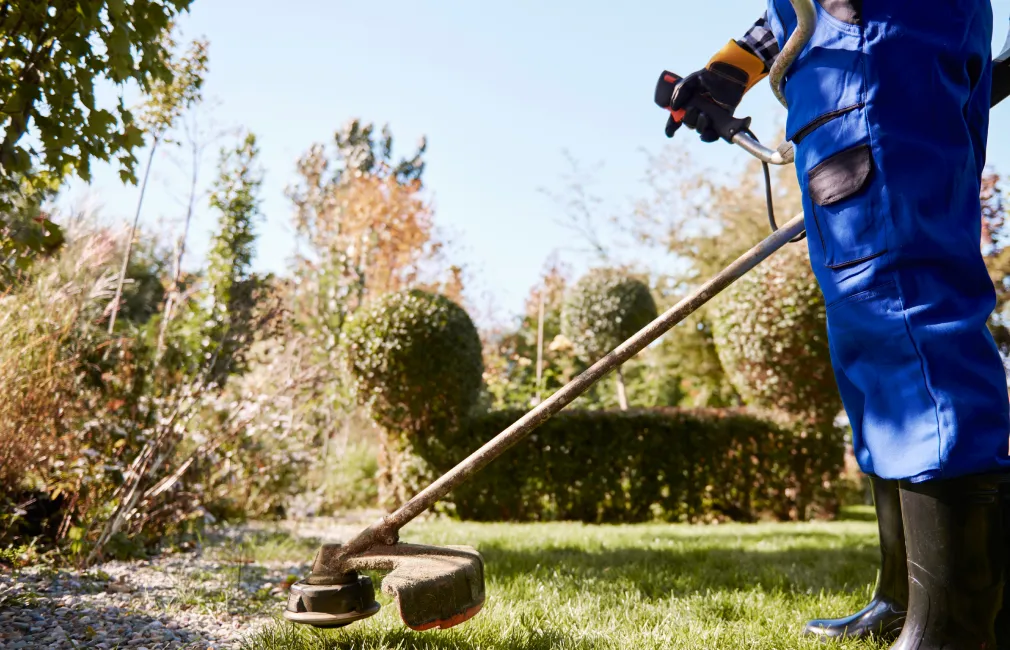
Berlin Plant Removal Types

Tree Removal
-
Shrub Removal
-
Stump Grinding
-
Invasive Species Removal
-
Hedge Clearing
-
Root Extraction
-
Ground Cover Removal
Our Plant Removal Process
Site Evaluation
Preparation and Safety Measures
Plant Extraction
Debris Removal
Site Restoration
Why Choose Berlin Landscape Services

-
Berlin Homeowners Trust Us
-
Expert Lawn Maintenance
-
Competitive Pricing
-
Professional Team
-
Satisfaction Guarantee
-
Personalized Service
-
Reliable Scheduling
Berlin’s Plant Removal Permitting and Municipal Coordination
Plant removal activities in Berlin are governed by a combination of municipal ordinances and departmental oversight to ensure public safety, environmental protection, and compliance with local codes. Permits are required for the removal of trees over 6 inches in diameter at breast height (DBH), with an application fee typically ranging from $25 to $75 and a review period of 7-10 business days. Removal work is restricted to the following hours:
- Monday-Friday: 7:00 AM - 7:00 PM
- Saturday: 8:00 AM - 6:00 PM
- Sunday and holidays: Prohibited
All debris must be disposed of through the town’s weekly yard waste collection program, which accepts biodegradable bags or 32-gallon containers. Coordination with the Department of Public Works is required for large-scale removals or work near public infrastructure.
Berlin Department of Public Works
240 Kensington Road, Berlin, CT 06037
Phone: (860) 828-7022
Official Website: Berlin Department of Public Works
Soil Series and Site Conditions Affecting Plant Removal in Berlin
Berlin’s landscape is characterized by Inceptisols and Ultisols, with predominant soil series such as Paxton and Woodbridge fine sandy loams. These soils are moderately acidic (pH 5.5-6.5), often stony due to glacial till, and can exhibit poor drainage, especially in low-lying areas. Plant removal projects must account for:
- Soil compaction in developed neighborhoods
- Seasonal water tables at 12-18 inches
- Rocky subsoils requiring specialized equipment
Before initiating removal, it is recommended to conduct a soil test through UConn Extension (typical cost: $15-25) to determine pH and organic matter content. Proper site assessment helps prevent erosion and ensures compliance with buffer requirements near wetlands and watercourses. For detailed soil mapping, consult the USDA Web Soil Survey.
Environmental Compliance: Wetland Buffers and Stormwater Protection in Berlin
Plant removal near Berlin’s wetlands, streams, and conservation areas is subject to strict buffer regulations. A minimum 25-foot no-disturbance zone is enforced around all designated wetlands, and a 50-foot setback is required from the banks of the Mattabesset River and other protected water bodies. The Connecticut Environmental Protection Act and the Clean Water Act prohibit the discharge of plant debris or soil into storm drains, in accordance with Berlin’s MS4 stormwater permit. Key compliance steps include:
- Maintain all buffers during removal
- Use silt fencing on slopes >5%
- Prohibit equipment refueling within 100 feet of water bodies
For guidance on local conservation requirements:
Berlin Conservation Commission
240 Kensington Road, Berlin, CT 06037
Phone: (860) 828-7005
Official Website: Berlin Conservation Commission
Safety Protocols and Equipment Standards for Plant Removal in Berlin
All plant removal operations in Berlin must adhere to municipal safety standards and equipment regulations. Operators are required to use commercial-grade chainsaws and chippers with noise levels not exceeding 85 decibels at property lines. Personal protective equipment (PPE) is mandatory:
- Eye protection: ANSI Z87.1 safety glasses
- Hearing protection: Earmuffs or plugs for 85+ dB
- Footwear: Steel-toed boots
- Gloves: Cut-resistant for pruning
Maintain a 15-foot clearance from overhead utilities and a 25-foot safety zone around active equipment. Traffic control measures, including signage and cones, are required when working near public roads. For projects involving large trees or work adjacent to public property, coordinate with the Building Department for inspection and code compliance.
Berlin Building Department
240 Kensington Road, Berlin, CT 06037
Phone: (860) 828-7009
Official Website: Berlin Building Department
Optimal Timing for Plant Removal in Berlin’s Climate Zone
Berlin is located in USDA Hardiness Zone 6b, with average annual minimum temperatures of -5°F to 0°F. The optimal window for plant removal is from late March through early June and again from September 1 to October 31, when soil temperatures range from 50°F to 65°F and ground conditions are stable. Avoid removal during:
- Spring thaw (late February to mid-March)
- Peak summer heat (July-August)
- Frozen ground (December-February)
Monitor local weather forecasts through the National Weather Service - Southern New England Office to plan operations around rainfall and wind events. For large-scale removals, schedule work outside of bird nesting season (April-July) to comply with wildlife protection guidelines.
What Neighborhoods Do We Serve Throughout Berlin, CT?
- Kensington: Features mature tree canopies and glacial till soils with moderate drainage; removal projects often require careful debris management and coordination with local ordinances.
- East Berlin: Characterized by sandy loam soils and proximity to the Mattabesset River, necessitating strict adherence to wetland buffer regulations and erosion control measures.
- Worthington Ridge: Historic district with older properties, stone walls, and compacted soils; plant removal may be subject to additional review by local commissions.
- South Kensington: Contains newer developments with engineered drainage and HOA guidelines; access for equipment is generally good, but noise ordinances are strictly enforced.
- Beckley Quarter: Located near conservation lands and wetlands, requiring enhanced environmental compliance and careful scheduling to avoid sensitive periods.
- Berlin Center: Urbanized area with mixed commercial and residential lots, overhead utilities, and limited staging space for debris; safety and traffic control are key considerations.
- Blue Hills: Features sloped terrain and clay-rich soils, presenting challenges for equipment stability and runoff management during removal activities.