
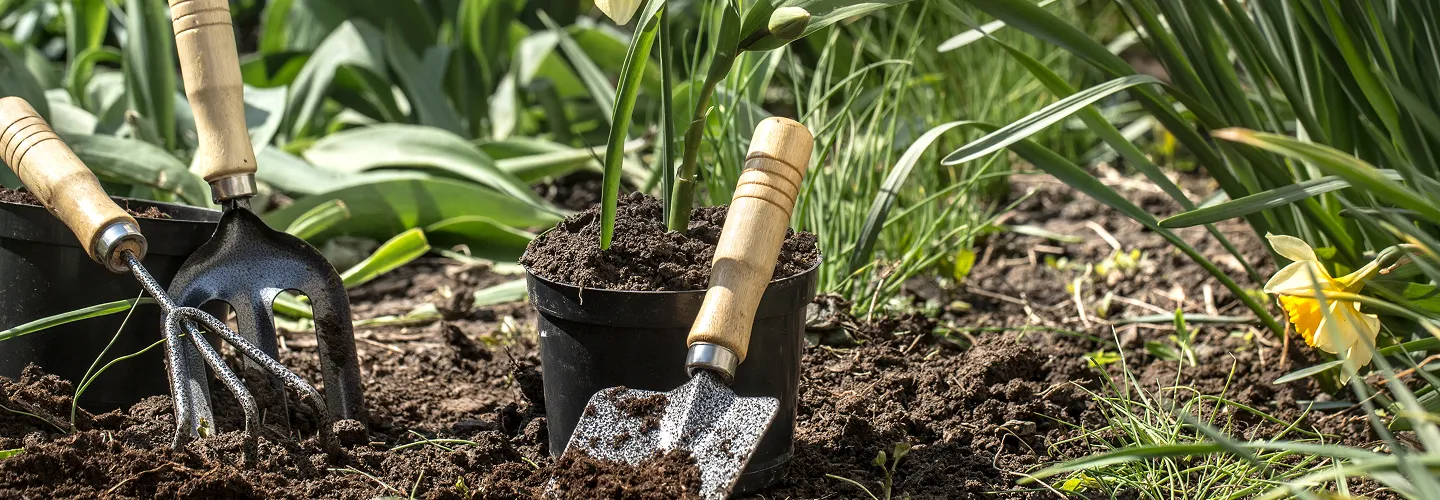
Berlin Sod Installation Services
Choose our expert sod installation for a seamless, hassle-free transformation—enjoy a vibrant, healthy lawn that boosts your curb appeal and is ready for use in no time.
Get a Free QuoteOur Berlin Landscaping & Yard Care Services
When to Schedule Sod Installation in Berlin, Connecticut – Seasonal Guide
Timing your sod installation in Berlin, Connecticut is crucial for achieving a lush, healthy lawn that thrives year-round. The best periods for sod installation are typically late spring and early fall, when temperatures are moderate and rainfall is more consistent. Berlin’s climate, with its cold winters and warm, humid summers, means that installing sod during these windows allows roots to establish before the stress of summer heat or winter frost. Neighborhoods near Sage Park or along the Mattabesset River may experience slightly different microclimates, so it’s important to consider your specific location.
Local environmental factors such as the average last frost date in early May, the risk of summer droughts, and the prevalence of shade from mature trees in areas like Kensington can all impact the success of your sod installation. Soil composition in Berlin varies, with some properties featuring rocky or clay-heavy soils that may require additional preparation. For more detailed information on local climate and landscaping best practices, you can consult resources like the Sudbury town website.
Local Factors to Consider for Sod Installation in Berlin
- Tree density and shade coverage, especially in established neighborhoods
- Soil type and drainage, including rocky or clay-heavy soils
- Terrain slope and risk of erosion
- Average precipitation and drought risk during summer months
- Municipal watering restrictions or guidelines
- Proximity to landmarks such as Sage Park or the Mattabesset River
Benefits of Sod Installation in Berlin
Instant Green Lawns
Erosion Control
Weed Reduction
Professional Installation
Enhanced Curb Appeal
Low Maintenance Start
Berlin Sod Installation Types

Traditional Sod Installation
-
Drought-Resistant Sod
-
Shade-Tolerant Sod
-
Sports Turf Sod
-
Premium Kentucky Bluegrass Sod
-
Zoysia Grass Sod
-
Eco-Friendly Sod Options
Our Sod Installation Process
Site Preparation
Soil Grading
Sod Delivery
Sod Laying
Watering and Rolling
Why Choose Berlin Landscape Services

-
Berlin Homeowners Trust Us
-
Expert Lawn Maintenance
-
Competitive Pricing
-
Professional Team
-
Satisfaction Guarantee
-
Personalized Service
-
Reliable Scheduling
Berlin’s Glacial Till Soils and Drainage Considerations for Sod Installation
Berlin, CT is characterized by glacial till soils, including the Paxton and Woodbridge series, which are moderately to poorly drained and often stony. These soils typically have a pH range of 5.5 to 6.5, requiring lime amendments for optimal turf establishment. Sod installation in Berlin must address compaction and drainage by incorporating 2-3 inches of compost tilled to a 6-inch depth and performing core aeration to 3 inches. Soil testing is recommended through UConn Extension (typical cost: $15-25) to determine amendment needs. Properties near wetlands must maintain a 25-foot no-disturbance buffer, as regulated by the Connecticut Environmental Protection Act. For detailed site assessment and compliance with local drainage ordinances, coordinate with:
Berlin Engineering Department
240 Kensington Road, Berlin, CT 06037
Phone: (860) 828-7022
Official Website: Berlin Engineering Department
Seasonal Timing and Weather Guidance for Sod Installation in Berlin
Berlin’s USDA Hardiness Zone 6b dictates optimal sod installation windows: April 15–June 1 in spring and August 20–September 30 in late summer. Soil temperatures should be 55–65°F for rapid rooting. Avoid installation during July and early August due to heat stress and increased irrigation demand. Monitor local weather forecasts through the National Weather Service for rainfall and frost advisories. Key timing recommendations include:
- Spring installation: April 15 – June 1
- Fall installation: August 20 – September 30
- Avoid: July–early August (heat stress)
- Water sod daily for 2 weeks, then reduce frequency For additional climate-specific guidance, consult USDA Plant Hardiness Zone Map and coordinate with:
Berlin Department of Public Works
240 Kensington Road, Berlin, CT 06037
Phone: (860) 828-7022
Official Website: Berlin Department of Public Works
Compliance with Berlin’s Wetland Buffers and Stormwater Regulations
Sod installation projects in Berlin must comply with both local and state environmental regulations to protect wetlands, streams, and stormwater systems. The Connecticut Department of Energy and Environmental Protection (CT DEEP) enforces MS4 stormwater permit requirements, prohibiting sod debris and soil runoff into storm drains. Berlin’s Conservation Commission requires a 25-foot no-disturbance buffer from all regulated wetlands and watercourses. Key compliance steps include:
- Maintain 25-foot buffer from wetlands
- Install erosion controls (silt fence, straw wattles) on slopes
- Prohibit fertilizer and pesticide application within 50 feet of water bodies
- Schedule debris pickup on Thursdays (April–November) using biodegradable bags For regulatory guidance and permit review, contact:
Berlin Conservation Commission
240 Kensington Road, Berlin, CT 06037
Phone: (860) 828-7066
Official Website: Berlin Conservation Commission
Sod Species Selection and Professional Standards for Berlin Lawns
Selecting appropriate sod species is critical for long-term turf health in Berlin’s climate and soil conditions. Recommended cool-season grasses include Kentucky bluegrass (Poa pratensis), perennial ryegrass (Lolium perenne), and fine fescue (Festuca spp.). For shaded areas, ‘Midnight’ Kentucky bluegrass or creeping red fescue are preferred. Sod should be installed with seams staggered and rolled for root-soil contact. Professional standards require:
- Sod thickness: 1–1.5 inches
- Stagger seams for stability
- Water immediately after installation
- Apply starter fertilizer (1 lb nitrogen/1,000 sq ft)
- Use commercial-grade sod cutters and rollers For technical guidance and best practices, refer to UConn Extension and coordinate with:
Berlin Building Department
240 Kensington Road, Berlin, CT 06037
Phone: (860) 828-7080
Official Website: Berlin Building Department
What Neighborhoods Do We Serve Throughout Berlin, CT?
- Kensington: Features mature residential lots with Paxton and Woodbridge soils, requiring drainage improvements and careful buffer compliance near wetlands and the Mattabesset River.
- East Berlin: Contains newer subdivisions with compacted fill soils and moderate slopes, necessitating thorough soil amendment and erosion control during sod installation.
- Worthington Ridge: Historic district with older homes, narrow lots, and established trees; shade-tolerant sod species and hand equipment may be needed due to access constraints.
- South Kensington: Proximity to wetlands and conservation areas demands strict adherence to 25-foot buffer zones and stormwater controls.
- Beckley Quarter: Mix of residential and commercial properties, with variable soil drainage and frequent utility easements requiring coordination with municipal departments.
- Berlin Center: Urbanized area with high traffic and compacted soils, often requiring soil testing and mechanical aeration prior to sod installation.
- Blue Hills: Elevated terrain with rocky soils and slope challenges, making erosion control and proper sod anchoring essential for successful establishment.